METABOLIC AGING: HOW IT SHAPES SKIN AGING AND LONGEVITY
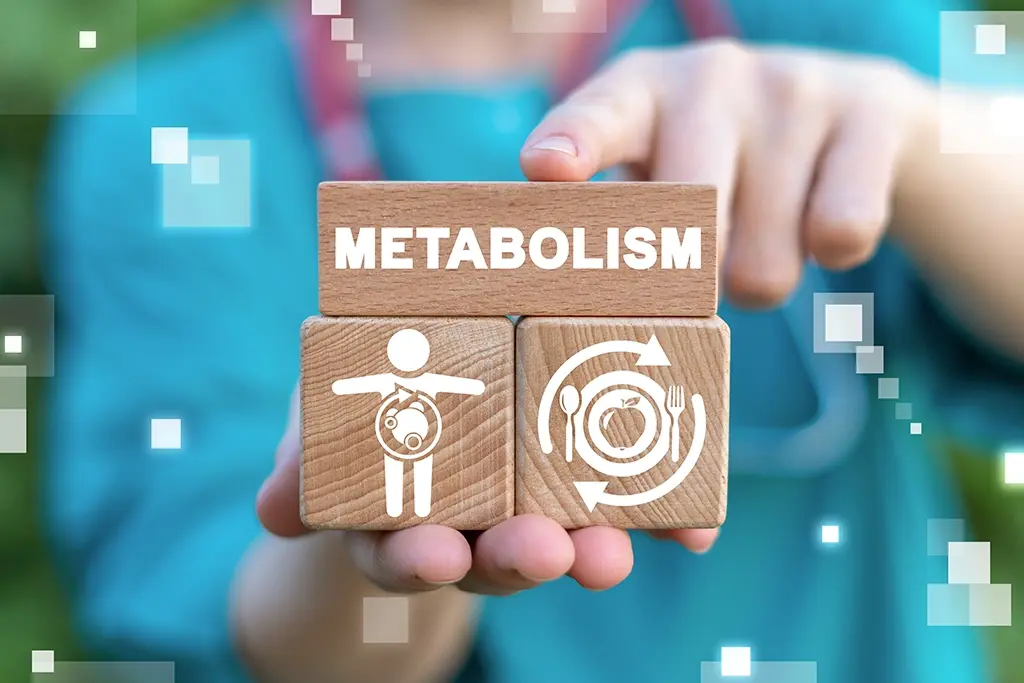
Aging is often perceived through visible changes - in the skin, in body composition, in energy levels.
Yet long before these signs appear, a more subtle and fundamental process is already underway: metabolic aging.
This process reflects how efficiently the body produces energy, regulates glucose, and maintains cellular balance over time.
And it has a profound influence not only on how we feel - but also on how we age.
Beyond Chronological Aging
Chronological age measures time.
Metabolic age reflects function.
Two individuals of the same age can have very different metabolic profiles, depending on how their bodies manage:
- energy production
- insulin sensitivity
- inflammatory balance
- cellular repair
As time passes, even small inefficiencies in these systems accumulate, shaping both internal health and external appearance.
The Biology of Metabolic Aging
Metabolic aging is not driven by a single factor, but by the interaction of several key biological mechanisms.
Insulin Resistance
As cells become less responsive to insulin, glucose regulation becomes less efficient.
This leads to:
- elevated blood sugar levels
- increased fat storage
- accelerated glycation of structural proteins such as collagen
In the long term, these changes affect not only metabolic health, but also skin quality and tissue integrity.
Mitochondrial Decline
Mitochondria are responsible for generating cellular energy.
With age and metabolic stress:
- energy production decreases
- cellular repair slows
- tissues lose vitality and resilience
The visible consequence is commonly described as “fatigue” - both systemic and cutaneous.
Chronic Low-Grade Inflammation
Frequently referred to as inflammaging, this persistent inflammatory state subtly disrupts cellular function.It contributes to:
- collagen degradation
- impaired regeneration
- increased sensitivity and reactivity
Inflammation becomes a continuous background signal that accelerates biological aging.
Hormonal and Metabolic Signaling
Metabolic aging also alters the signaling pathways that regulate hunger, satiety, and energy use.
This can result in:
- fluctuations in appetite
- reduced metabolic flexibility
- further disruption of energy balance
A cycle emerges in which metabolic inefficiency reinforces itself over time.
The Skin as a Metabolic Mirror
The skin is one of the most visible expressions of internal physiology.
Metabolic aging often manifests through:
- loss of elasticity and firmness
- uneven tone or dullness
- increased sensitivity
- slower recovery and regeneration
These changes are not isolated cosmetic concerns.
They reflect deeper shifts in how the body produces energy, manages inflammation, and maintains structural integrity.
Supporting Metabolic Longevity
One of the most important aspects of metabolic aging is that it is highly responsive to daily habits.
Even subtle adjustments can influence long-term outcomes.
Stabilizing Blood Sugar
Balanced nutrition and thoughtful meal structure help reduce glycemic variability and metabolic stress.
Prioritizing Protein
Adequate protein intake supports muscle mass, metabolic rate, and tissue repair.
Encouraging Movement
Regular physical activity enhances insulin sensitivity and mitochondrial function.
Protecting Sleep
Sleep plays a critical role in hormonal regulation and metabolic recovery.
Reducing Inflammatory Load
Nutrition, stress management, and lifestyle choices collectively shape the body’s inflammatory environment.
A Shift in Perspective
Understanding metabolic aging invites a different approach to both health and aesthetics.
Rather than focusing exclusively on visible changes, attention shifts toward the systems that generate them.
This perspective allows for a more integrated and sustainable strategy - one that supports not only appearance, but long-term biological function.
Final Insight
How the body manages energy today influences how it will function - and how it will appear - over time.
Metabolic aging may be invisible, but its effects are not.
This article is part of a broader exploration of how metabolic processes influence skin health and aging.
Continue Exploring
To understand how specific metabolic pathways influence skin aging, you can explore the role of GLP-1 and blood sugar regulation:
You may also find relevant the connection between internal balance and skin expression: