LIFESTYLE MEDICINE: THE NEW MEDICAL REVOLUTION CHANGING HOW WE HEAL
Lifestyle Medicine is not just a trend - it’s one of the fastest-growing medical fields, and it’s changing how we prevent, manage, and even reverse many chronic diseases.
Instead of relying only on medication, lifestyle medicine treats the root causes: how we eat, move, sleep, manage stress, and connect with others.
The best part?
It’s deeply scientific, tested in large clinical trials, and finally becoming mainstream.
Let’s explore what makes this approach so powerful - and why it’s being called the future of healthcare.
Why Lifestyle Medicine Works. What the Science Says
1. It prevents type 2 diabetes - more efficient than medication
One of the most famous studies in medicine, the Diabetes Prevention Program (DPP), showed that a structured lifestyle program cut diabetes risk by 58%, outperforming Metformin.
2. It can put diabetes into remission
The UK DiRECT Trial proved that with guided weight loss and lifestyle changes, many patients achieved full remission of type 2 diabetes - no medication needed.
3. It protects the heart
The PREDIMED study found that a Mediterranean-style diet rich in olive oil or nuts significantly reduces major cardiovascular events like heart attacks.
4. It can even reverse heart disease
In intensive programs (like the Ornish method), patients showed regression of coronary plaque - something once believed impossible without surgery or medication.
Bottom line: lifestyle interventions don’t just “help” - they change hard clinical outcomes.
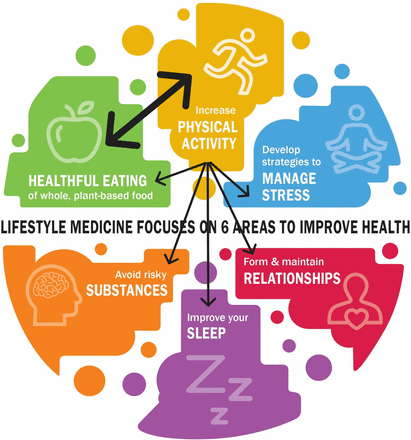
The Six Pillars of Lifestyle Medicine
These are the evidence-based pillars most lifestyle medicine programs use:
1. Nutrition
Whole-food, plant-predominant diets (Mediterranean, high-fiber, minimally processed) lower inflammation, improve lipids, stabilize glucose, and promote healthy weight.
2. Physical Activity
Regular movement — even 7,000–10,000 steps a day — significantly reduces mortality. Add strength training twice weekly for metabolic health.

3. Restorative Sleep
Poor sleep disrupts hormones, appetite, immunity, blood pressure, and mood.
Lifestyle medicine teaches patients how to achieve consistent, high-quality sleep.
4. Stress Management
Mindfulness, breathing practices, relaxation therapy, and CBT techniques lower cortisol, improve blood sugar, reduce blood pressure, and support emotional resilience.
5. Avoidance of Risky Substances
Tobacco cessation, responsible alcohol intake, and reduction of harmful exposures are core components.
6. Social Connection
Loneliness increases mortality risk as strongly as smoking.
Healthy relationships improve adherence, happiness, and long-term outcomes.
How Lifestyle Medicine Is Used in Real Clinics
Healthcare systems are increasingly integrating lifestyle medicine because it creates measurable improvements.
Common delivery models include:
- Primary care programs led by a doctor or nurse practitioner
- Multidisciplinary lifestyle clinics with a dietitian, psychologist, exercise specialist
- Digital or hybrid programs for coaching, monitoring, and accountability
- Group sessions (affordable and highly effective)
Patients receive prescriptions for nutrition, steps, sleep schedules, stress reduction, and more - just like a medication plan.
Here is a Simple, Practical Framework Anyone Can Start Today
✔️ Eat mostly whole foods
Vegetables, fruits, legumes, whole grains, nuts, seeds, high-quality proteins, and healthy fats.
Minimize ultra-processed foods.
✔️ Move your body daily
Aim for:
- 7,000–10,000 steps/day
- 150–300 minutes/week of moderate activity
- Strength training 2× weekly
✔️ Prioritize sleep
7–9 hours per night
Regular bedtime and wake time
No screens 60 minutes before bed
✔️ Manage stress intentionally
5–10 minutes/day of meditation, breathwork, or journaling can significantly lower stress markers.
✔️ Avoid risky substances
Stop smoking, reduce alcohol, and avoid excessive caffeine and sugar.
✔️ Build connection
Family, friends, sports groups, volunteering - social support multiplies success.
Why This Movement Is Growing So Fast
Lifestyle medicine offers what many patients desperately want:
🌿 Real change, not just symptom control
It targets root causes rather than only treating complications.
💊 Fewer medications
Many patients reduce or discontinue medications under medical supervision.
💰 Lower long-term healthcare costs
Prevention and remission save money — for individuals and health systems.
⚕️ Empowerment and education
Patients feel in control of their health again.
Precision Lifestyle Medicine is the Future
Emerging research is exploring:
- Microbiome-tailored diets
- Personalized exercise based on genetics
- Digital therapeutics with AI coaching
- Continuous glucose monitoring for non-diabetics
- Community-based prevention programs
The future of healthcare is proactive, not reactive.
A New Era of Healing
Lifestyle medicine is more than advice - it’s a structured, medical, evidence-based way to prevent, treat, and sometimes reverse chronic disease.
It empowers people to take control of their health through everyday habits that truly matter.
If you’re a patient: start with small, consistent changes.
If you’re a clinician: integrating lifestyle medicine can transform outcomes - and lives.